Why You'll Love It
- - Fresh, vibrant flavors that celebrate spring
- - Quick to prepare, under 30 minutes
- - Light yet satisfying, perfect for any appetite
- - Uses pantry staples and garden finds
*"The peas are sweet, the asparagus is perfectly tender, and the whole dish just sings of spring—my family loved it!"*
Essential Ingredient Guide
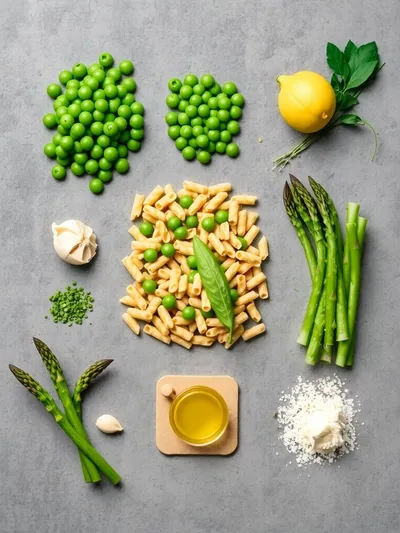
- Orzo pasta: Choose small‑grain orzo; it holds sauce gently and cooks in about 9 minutes.
- Fresh peas: Use frozen peas if out of season; they retain sweetness after a quick blanch.
- Asparagus spears: Trim the woody ends and cut into bite‑size pieces for even cooking.
- Lemon zest: Adds brightness; grate just before finishing to preserve aroma.
- Parmesan cheese: A little grated cheese brings umami and a silky finish.
- Olive oil: Use a good extra‑virgin oil for a subtle fruitiness.
Complete Cooking Process
-
Ingredient Readiness:
Rinse the peas and snap the asparagus, then set aside. Cook the orzo al dente, drain, and keep a cup of pasta water.
-
Flavor Development:
Sauté asparagus in olive oil until just tender, then add peas to warm through, releasing their natural sweetness.
-
Texture Control:
Combine the hot orzo with the vegetables, using pasta water to create a light coating that clings to each grain.
-
Finishing Touches:
Stir in lemon zest, a splash of olive oil, and generous Parmesan, then season with salt and pepper.
-
Serving Timing:
Serve immediately while the pasta is warm, garnished with extra zest and cheese for a fresh finish.
- Reserve pasta water early; it’s the secret to a silky sauce.
- Don’t overcook asparagus; you want a slight bite.
- Add lemon zest at the very end to keep its perfume vivid.
- Taste before adding salt; Parmesan already brings saltiness.
Pro Tips
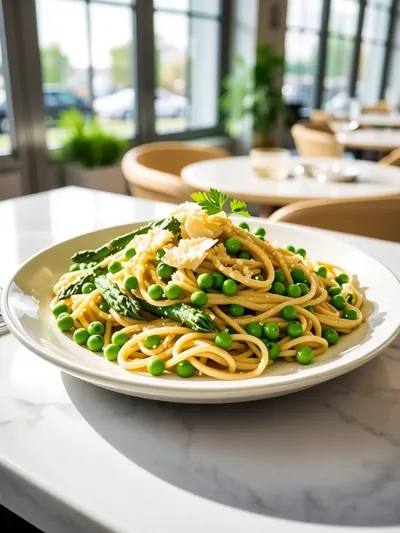
Well, when I’m plating, I like to let the dish rest just a moment—enough for the flavors to settle but not so long that the warmth fades. It’s a tiny pause that makes the experience feel more intentional, like I’m sharing a quiet moment with whoever’s at the table. The aroma of lemon and green vegetables mingles with the faint nuttiness of toasted Parmesan, and that, dear friend, is the true comfort of spring.
The essence of the dish:
A fun fact or historical angle:
Flavor or sensory focus:
You Must Know
- Use fresh lemon zest, not juice, for aroma.
- Keep the pasta water handy for sauce.
- Season gradually; taste often.
Frequently Asked Questions
→ Can I use gluten‑free pasta?
Absolutely, substitute with a gluten‑free orzo or small rice pasta; cooking times may vary slightly.
→ What if I don’t have fresh asparagus?
Frozen or frozen‑blanched asparagus works fine; just add it a minute earlier to ensure it’s heated through.
→ Is this recipe suitable for vegans?
Replace Parmesan with a vegan nutritional yeast or plant‑based cheese, and you have a vegan‑friendly version.
→ How long can leftovers be kept?
Store in an airtight container in the fridge for up to three days; reheat gently with a splash of water.
→ Can I add protein?
Yes, grilled chicken, shrimp, or even a handful of toasted pine nuts make lovely additions.
→ What other herbs work well?
Fresh mint or basil can add a bright lift; just toss them in at the end.
Chef's Tips
If the sauce seems dry, add more pasta water a tablespoon at a time.,Taste the pasta before adding salt; the cheese already contributes saltiness.,A pinch of red pepper flakes can add a subtle heat without overpowering the spring flavors.
Nutrition Facts
per serving
420
Calories
14g
Protein
65g
Carbs
11g
Fat
Taste Profile
Bright, fresh, and lightly creamy
Ingredient Substitutions
Don't have an ingredient? Try these alternatives
Cooking times may vary slightly; adjust water as needed.
Provides similar umami without dairy.
Recipe Variations
Try these delicious twists on the original
Spicy Version
Add a pinch of red pepper flakes and a drizzle of hot chili oil for a gentle kick.
Mediterranean Style
Stir in chopped sun‑dried tomatoes, Kalamata olives, and crumbled feta for a briny twist.
Common Mistakes to Avoid
Learn from others' mistakes for perfect results
- Overcooking asparagus, which loses its snap.
- Using too little pasta water, resulting in a dry dish.
- Adding lemon juice instead of zest, which can make the sauce watery.
Meal Prep & Storage
Make Ahead Tips
You can blanch the peas and trim the asparagus a day ahead; store them dry in the fridge and combine when ready to cook.
Leftover Ideas
Reheat gently in a skillet over low heat, adding a splash of water or broth to bring back moisture.
Perfect Pairings
Serve this with...
Cooking Timeline
Bring water to boil, prep peas and asparagus, zest lemon.
Cook orzo, reserve pasta water, drain.
Sauté asparagus, then add peas to warm through.
Combine orzo with vegetables, add pasta water, lemon zest, and cheese.
Season, garnish, and serve immediately.
Pea and Asparagus Pasta – Super Spring Orzo
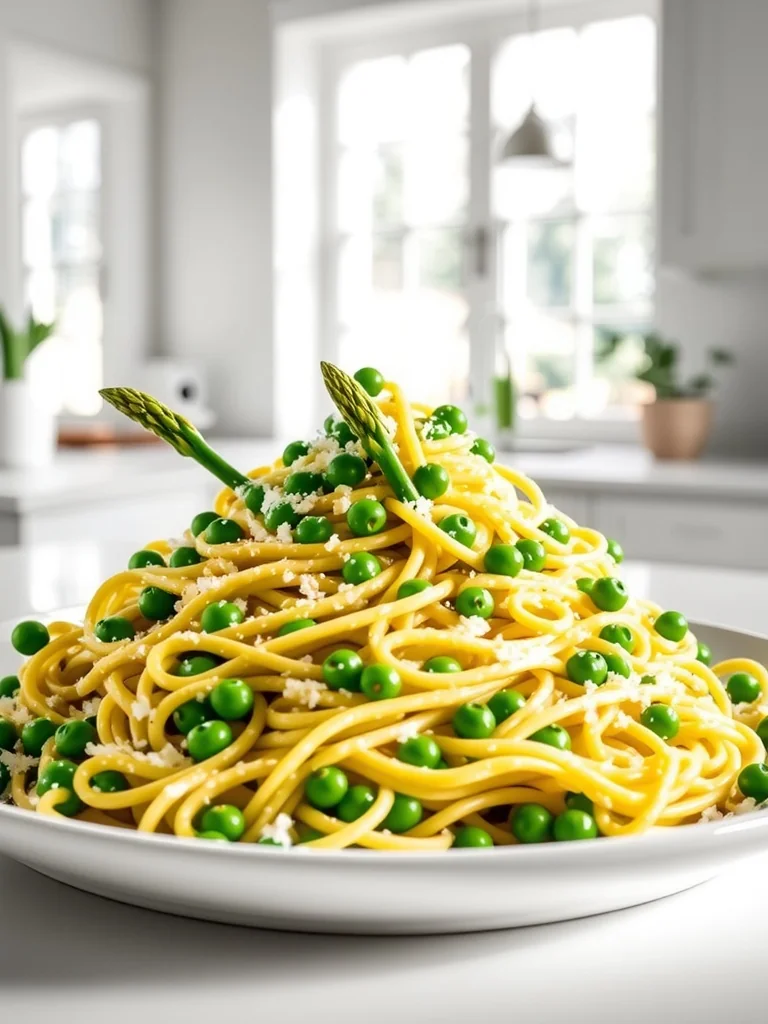
A bright, springtime pasta that blends sweet peas, tender asparagus, and a whisper of lemon for a light yet satisfying meal. Perfect for a busy weekday or a relaxed weekend lunch, this dish feels like a fresh garden on a plate.
Timing
Prep Time
10 Minutes
Cook Time
15 Minutes
Total Time
25 Minutes
Recipe Details
Ingredients
Main Ingredients
- 01 1 cup orzo pasta
- 02 1 cup fresh peas (or frozen, thawed)
- 03 12 oz asparagus, trimmed and cut into 1‑inch pieces
- 04 2 tbsp extra‑virgin olive oil
- 05 1 lemon, zest only
- 06 1/3 cup grated Parmesan cheese
- 07 Salt and freshly ground black pepper to taste
Optional Garnish
- 01 Extra lemon zest
- 02 Fresh basil leaves, torn
- 03 A drizzle of high‑quality olive oil
Instructions
Bring a large pot of salted water to a boil, add the orzo and cook until al dente, about 8‑9 minutes. Reserve 1 cup of the cooking water, then drain.
While the pasta cooks, heat olive oil in a large skillet over medium heat. Add the asparagus pieces and sauté for 3‑4 minutes until just tender.
Stir in the peas and cook for another 2 minutes, just enough to warm them without losing their pop.
Add the cooked orzo to the skillet, tossing gently. Pour in a splash of the reserved pasta water to create a light coating.
Remove from heat, fold in the lemon zest and grated Parmesan, then season with salt and pepper. Serve immediately, garnished with extra zest, basil, and a drizzle of olive oil if desired.
Notes & Tips
- 1 If the sauce seems dry, add more pasta water a tablespoon at a time.
- 2 Taste the pasta before adding salt; the cheese already contributes saltiness.
- 3 A pinch of red pepper flakes can add a subtle heat without overpowering the spring flavors.
Tools You'll Need
-
Large pot
-
Colander
-
Skillet or sauté pan
-
Zester or microplane
-
Wooden spoon
-
Measuring cups
Must-Know Tips
- Don't overcook the asparagus; you want a slight bite.
- Reserve pasta water early; it’s the secret to a silky sauce.
- Add lemon zest at the very end to keep its perfume vivid.
Professional Secrets
- Cook pasta al dente; it continues to absorb flavors in the skillet.
- Use high‑quality olive oil for a fruitier finish.
- Finish with cold water‑brought‑to‑room temperature for a smoother texture.

Recipe by
EvaEva is a seasoned home‑cook turned recipe developer who brings a dash of curiosity and a pinch of precision to every dish she creates for Your Website ...
Get Delicious Recipes Weekly
Join 25,000+ home cooks getting our best recipes straight to their inbox.
Free forever • No spam • Unsubscribe anytime