Why You'll Love It
- - The dough can be frozen for future use.
- - No need for pricey store‑bought shortcuts.
- - Versatile for desserts, appetizers, and meals.
- - Satisfying hands‑on process that feels rewarding.
*"The layers are so light, I could almost hear them whisper when I bite into them,"*
Essential Ingredient Guide
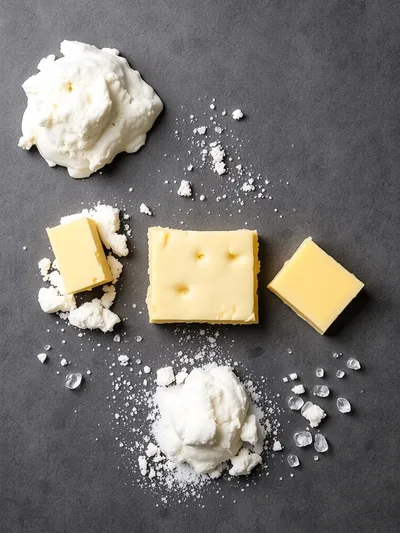
- All‑purpose flour: Choose a flour with moderate protein; it gives structure without making the layers tough.
- Unsalted butter: Cold, high‑fat butter creates the steam pockets that lift each layer.
- Ice water: Keeps the dough cool, ensuring butter stays solid during the first fold.
- Salt: A pinch enhances flavor without drawing out too much moisture.
- Lemon zest (optional): Adds a subtle brightness that works well for sweet pastries.
- Sugar (optional for sweet dough): Just a teaspoon balances the buttery richness.
Complete Cooking Process
-
Ingredient Readiness:
Measure flour, cube butter, and chill water; keeping everything cold is key.
-
Flavor Development:
Gentle mixing of flour, salt, and butter creates tiny crumbs that will expand.
-
Texture Control:
Each fold and roll folds the butter into layers; avoid over‑working to keep texture light.
-
Finishing Touches:
After the final chill, shape the pastry for your intended use—tarts, turnovers, or puff pastry twists.
-
Serving Timing:
Bake until golden, usually 20‑25 minutes, and serve warm to enjoy the full flakiness.
- Keep everything chilled; a warm kitchen can melt butter prematurely.
- Use a bench scraper to handle sticky dough without adding excess flour.
- Rotate the dough 90° each fold for even layers.
Pro Tips
Well, those little tricks keep the dough from turning into a tough slab. I’ve found that a brief pause between folds—just a few minutes in the refrigerator—lets the butter reset, making the next roll smoother. It’s a tiny act of patience that rewards you with layers that rise like soft clouds. So, take a breath, enjoy the quiet of the kitchen, and let the dough rest. The result is a pastry that feels like a warm hug on a cool afternoon.
The essence of the dish:
A fun fact or historical angle:
Flavor or sensory focus:
You Must Know
- Cold butter is the secret.
- Don’t skip the rest periods.
- Roll to an even thickness.
Frequently Asked Questions
→ Can I freeze the dough?
Yes, wrap the rolled dough tightly and freeze for up to two months. Thaw in the fridge before using.
→ Do I need a stand mixer?
No, a sturdy wooden spoon and your hands work just fine for mixing the initial dough.
→ What if the butter melts while rolling?
Return the dough to the fridge for 10‑15 minutes, then continue; the butter will firm up again.
→ Can I add herbs for a savory version?
Absolutely—mix finely chopped rosemary or thyme into the flour before adding water.
→ How do I know when the pastry is done?
Look for a deep golden‑brown color and a crisp, airy sound when you tap the bottom.
→ Is it okay to use margarine?
For true flakiness, stick with real butter; margarine won’t produce the same steam layers.
Chef's Tips
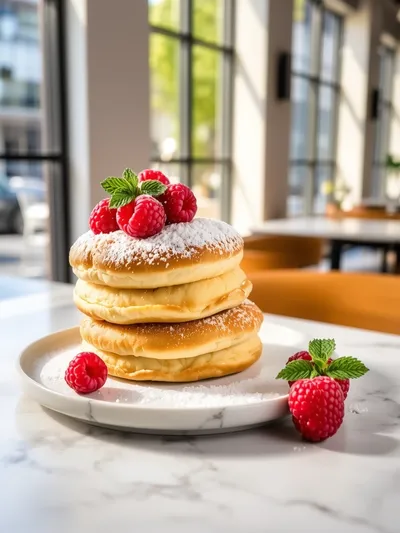
If the dough feels warm at any point, return it to the fridge; the butter should stay solid.,Use a light dusting of powdered sugar after baking for a sweet finish.,Feel free to fill the pastry with fruit, cheese, or savoury fillings—blueberry puff works beautifully.
Nutrition Facts
per serving
260
Calories
3g
Protein
28g
Carbs
14g
Fat
Taste Profile
Rich buttery flavor with a delicate crisp.
Ingredient Substitutions
Don't have an ingredient? Try these alternatives
Lamb fat adds depth but changes the buttery taste.
Higher protein gives slightly stronger structure.
Recipe Variations
Try these delicious twists on the original
Spicy Version
Add a pinch of cayenne and a drizzle of sriracha for a surprising kick.
Mediterranean Style
Fold in feta, olives, and sun‑dried tomatoes before baking.
Common Mistakes to Avoid
Learn from others' mistakes for perfect results
- Allowing butter to soften too much before rolling.
- Skipping the rest periods between turns.
- Over‑flouring the surface, which makes the pastry heavy.
Meal Prep & Storage
Make Ahead Tips
You can prepare the dough, wrap it tightly, and freeze for up to two months. Thaw in the refrigerator before rolling and baking.
Leftover Ideas
Reheat gently in a 350°F oven for 5‑7 minutes; the pastry will regain its crispness.
Perfect Pairings
Serve this with...
Cooking Timeline
Gather and measure all ingredients; keep butter cold.
Combine flour, salt, and butter; add water and form dough.
First chill, then roll and fold (first turn).
Second chill, roll and fold (second turn).
Final chill, roll to thickness, cut shapes, and bake.
Homemade Puff Pastry Recipe
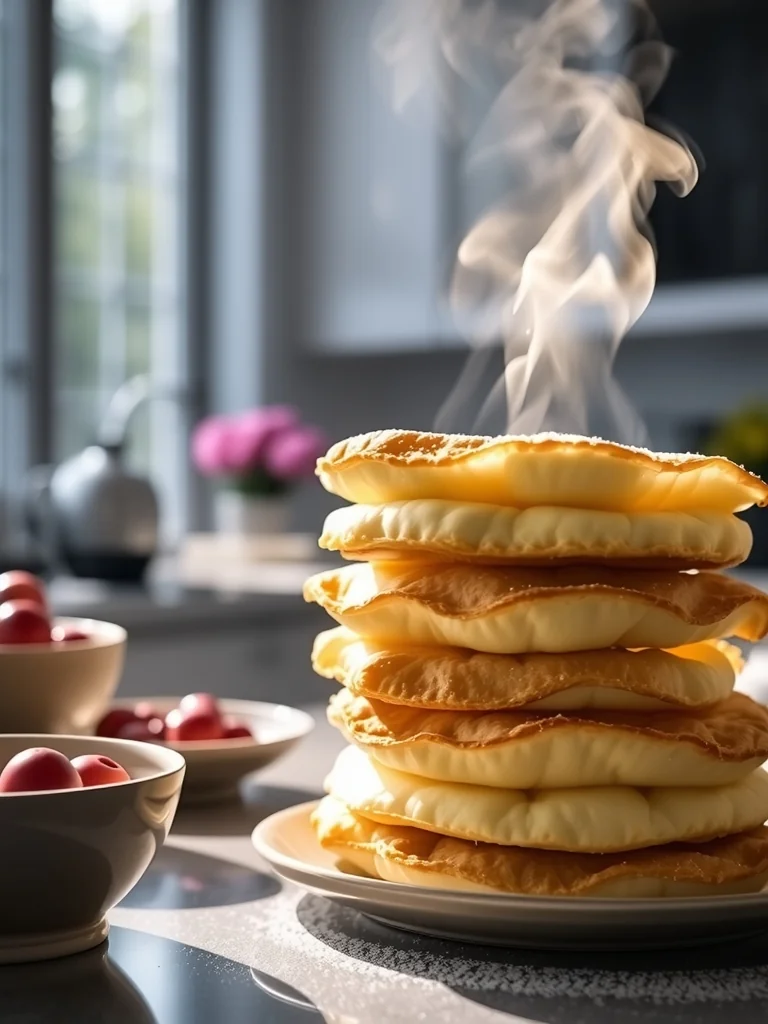
Learn how to create buttery, flaky puff pastry from scratch. This guide walks you through each fold and chill, giving you a versatile dough that works for sweet treats and savory bites.
Timing
Prep Time
30 Minutes
Cook Time
25 Minutes
Total Time
55 Minutes
Recipe Details
Ingredients
Main Dough
- 01 2 1/2 cups all‑purpose flour
- 02 1 teaspoon salt
- 03 1 tablespoon sugar (optional)
- 04 3/4 cup unsalted butter, very cold and cubed
- 05 3/4 cup ice‑cold water
Instructions
In a large bowl, whisk flour, salt, and sugar together; set aside.
Add the cold butter cubes and rub them between your fingertips until the mixture resembles coarse crumbs.
Drizzle ice water over the crumbs and gently stir until the dough just comes together; avoid over‑mixing.
Shape the dough into a flat rectangle, wrap in plastic, and chill for 30 minutes.
On a lightly floured surface, roll the dough into a long rectangle about 1/4 inch thick.
Fold the top third down and the bottom third up, like a letter; this is the first “turn.”
Rotate 90°, roll again, and repeat the fold. Chill 15 minutes. Perform a total of three turns, chilling between each.
After the final turn, roll the dough to your desired thickness, cut shapes, and bake at 400°F (200°C) for 20‑25 minutes until golden.
Notes & Tips
- 1 If the dough feels warm at any point, return it to the fridge; the butter should stay solid.
- 2 Use a light dusting of powdered sugar after baking for a sweet finish.
- 3 Feel free to fill the pastry with fruit, cheese, or savoury fillings—blueberry puff works beautifully.
Tools You'll Need
-
Rolling pin
-
Pastry brush
-
Plastic wrap
-
Sharp knife or pastry cutter
-
Baking sheet
-
Oven
Must-Know Tips
- Keep the butter cold; it creates steam that lifts the layers.
- Don’t over‑work the dough; gentle handling preserves flakiness.
- Allow the dough to rest between turns; it relaxes the gluten.
Professional Secrets
- Use a light dusting of flour to prevent sticking without adding weight.
- Rotate the dough a quarter turn after each fold for even layers.
- Bake on a preheated stone for a crisper bottom.

Recipe by
EvaEva is a seasoned home‑cook turned recipe developer who brings a dash of curiosity and a pinch of precision to every dish she creates for Your Website ...
Get Delicious Recipes Weekly
Join 25,000+ home cooks getting our best recipes straight to their inbox.
Free forever • No spam • Unsubscribe anytime