Why You'll Love It
- - Tender crumb that stays moist for days
- - Nutty browned butter flavor without fuss
- - Simple ingredient list, no fancy equipment
- - Elegant golden crust that looks bakery‑level
*"The cake felt like a warm hug; each bite was buttery bliss."*
Essential Ingredient Guide
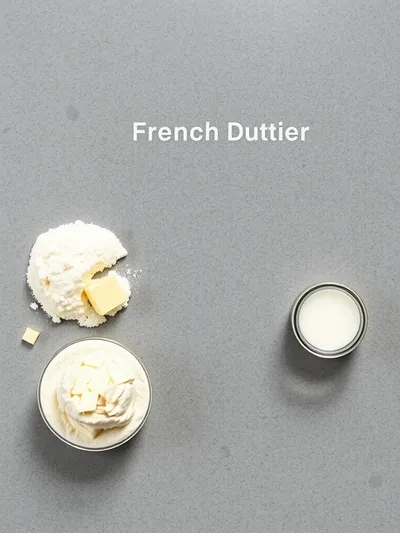
- Unsalted butter: Brown it gently until it smells nutty; this adds depth and a subtle caramel note.
- All‑purpose flour: Sift with baking powder to keep the cake light and avoid lumps.
- Granulated sugar: Creates a crisp top while keeping the interior soft.
- Eggs: Room‑temperature eggs blend smoothly with the butter, giving the cake structure.
- Lemon zest: A touch of citrus brightens the richness without overpowering.
- Vanilla extract: Adds a fragrant background note that complements the browned butter.
Complete Cooking Process
-
Ingredient Readiness:
Measure butter, flour, and sugar; let eggs sit at room temperature; zest the lemon carefully.
-
Flavor Development:
Brown the butter slowly, then whisk it into the sugar and eggs to create a glossy batter.
-
Texture Control:
Fold in sifted flour gently; avoid over‑mixing to keep the crumb tender.
-
Finishing Touches:
Sprinkle a thin layer of sugar on top before baking for that caramelized crust.
-
Serving Timing:
Allow the cake to cool in the pan for 10 minutes, then turn out and serve slightly warm.
- Brown butter over low heat; patience avoids burning.
- Use a light hand when folding flour to keep the cake airy.
- Let the cake rest before slicing; this lets the crumb set.
Pro Tips
I often find that letting the cake rest a few minutes after it comes out of the oven makes the crust settle into a gentle crunch while the interior stays soft. It’s a simple pause that turns a good cake into a memorable one. So, when you’re ready to serve, place a slice on a warm plate, maybe a dab of jam, and enjoy the moment.
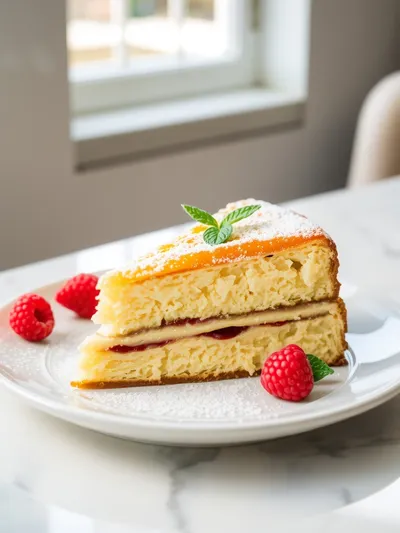
The essence of the dish:
A fun fact or historical angle:
Flavor or sensory focus:
You Must Know
- Use real butter, not margarine, for authentic flavor.
- Do not over‑bake; the cake should be just set in the center.
- A pinch of salt balances the sweetness.
Frequently Asked Questions
→ Can I use salted butter?
Yes, but reduce any added salt in the recipe to keep the balance.
→ How do I know when it’s done?
The top should be golden and a toothpick inserted in the center comes out with just a few crumbs.
→ Can I add almond flour?
A small portion (¼ cup) can be swapped for all‑purpose flour for a nutty twist.
→ What’s the best way to store leftovers?
Wrap tightly and keep at room temperature for up to two days, or refrigerate for up to a week.
→ Can I freeze the cake?
Absolutely—wrap slices in foil and freeze; thaw at room temperature before serving.
→ What pairs well with this cake?
A light coffee, sparkling water, or a glass of dry sherry complements the butteriness.
Chef's Tips
If you prefer a deeper flavor, let the browned butter rest for a few minutes before mixing.,A light dusting of powdered sugar adds a subtle finish without overwhelming the butter.,For a festive touch, serve with fresh berries and a dollop of whipped cream.
Nutrition Facts
per serving
380
Calories
5g
Protein
38g
Carbs
22g
Fat
Taste Profile
Rich buttery flavor with a hint of citrus
Ingredient Substitutions
Don't have an ingredient? Try these alternatives
Will give a nuttier flavor and denser crumb.
Texture changes; flavor less rich.
Recipe Variations
Try these delicious twists on the original
Spicy Version
Add a pinch of ground cinnamon and a dash of orange zest for warmth.
Mediterranean Style
Fold in toasted almonds and drizzle a honey‑lemon glaze after baking.
Common Mistakes to Avoid
Learn from others' mistakes for perfect results
- Over‑browning butter, which can turn bitter.
- Over‑mixing the batter, leading to a dense crumb.
- Opening the oven too early, causing the cake to collapse.
Meal Prep & Storage
Make Ahead Tips
You can brown the butter a day ahead and store it in the fridge; bring to room temperature before mixing.
Leftover Ideas
Reheat gently in a skillet over low heat, covered, to restore softness.
Perfect Pairings
Serve this with...
Cooking Timeline
Preheat oven and prepare pan; melt butter.
Brown butter, let cool, then whisk with sugar.
Add eggs, dry ingredients, zest, and vanilla; mix gently.
Bake cake, watch for golden crust.
Cool in pan, then release and finish.
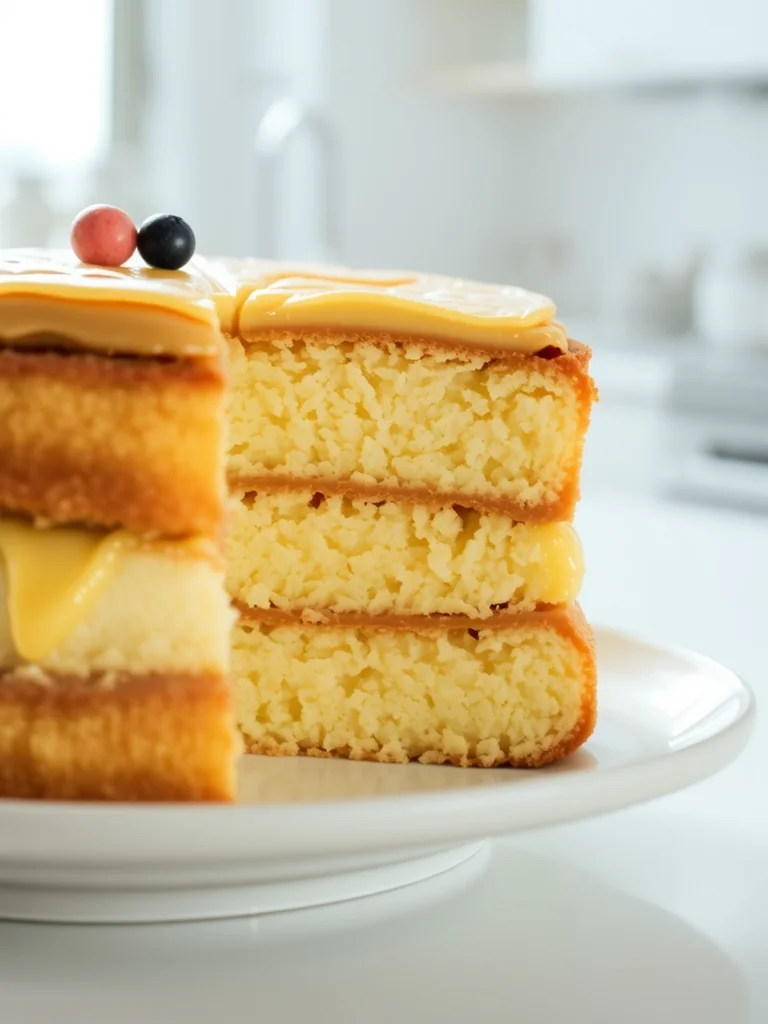
French Butter Cake
Indulge in a moist French Butter Cake with a golden crust and buttery crumb—perfect for any meal, whether it’s a quiet afternoon tea or a festive gathering.
Timing
Prep Time
20 Minutes
Cook Time
35 Minutes
Total Time
55 Minutes
Recipe Details
Ingredients
Cake
- 01 1 cup (2 sticks) unsalted butter
- 02 1 cup granulated sugar
- 03 4 large eggs, room temperature
- 04 1 ½ cups all‑purpose flour
- 05 2 tsp baking powder
- 06 ¼ tsp salt
- 07 2 tbsp lemon zest
- 08 1 tsp vanilla extract
Instructions
Preheat the oven to 350°F (175°C). Grease a 9‑inch springform pan and line the bottom with parchment.
In a saucepan melt the butter over low heat, swirling gently until it turns a deep amber and smells nutty. Remove from heat and let cool slightly.
In a large bowl whisk the sugar and browned butter together until smooth, then whisk in the eggs one at a time.
Sift flour, baking powder, and salt together; fold into the butter‑egg mixture with a spatula, adding lemon zest and vanilla.
Pour batter into the prepared pan, smooth the top, and sprinkle a thin layer of sugar for a caramelized crust.
Bake for 30‑35 minutes, or until the top is golden and a toothpick comes out with a few moist crumbs.
Cool in the pan for 10 minutes, then release the springform and let cool completely on a wire rack.
Notes & Tips
- 1 If you prefer a deeper flavor, let the browned butter rest for a few minutes before mixing.
- 2 A light dusting of powdered sugar adds a subtle finish without overwhelming the butter.
- 3 For a festive touch, serve with fresh berries and a dollop of whipped cream.
Tools You'll Need
-
Saucepan
-
Mixing bowls
-
Whisk
-
Spatula
-
9‑inch springform pan
-
Wire rack
Must-Know Tips
- Don't over‑mix the batter; it can make the cake dense.
- Let the butter cool a bit so it doesn't scramble the eggs.
- Taste the batter before baking; adjust with a pinch more salt if needed.
Professional Secrets
- Browning butter slowly releases milk solids for a nutty aroma.
- Room‑temperature eggs blend more easily with butter, creating a smoother crumb.
- A thin sugar layer on top caramelizes, giving a glossy finish.

Recipe by
EvaEva is a seasoned home‑cook turned recipe developer who brings a dash of curiosity and a pinch of precision to every dish she creates for Your Website ...
Get Delicious Recipes Weekly
Join 25,000+ home cooks getting our best recipes straight to their inbox.
Free forever • No spam • Unsubscribe anytime